Dr. Gurpreet Singh Padda
M.D, M.B.A, M.H.P
Pain management · St. Louis
Get a plan for long-term pain management and bring change to your life!

Expert medical professionals

Evidence-based approach

Urgent appointments available

4.8 average, verified by Doctor.com
At Padda Institute, our pain management specialists & pain specialist doctors give you guidance and treatments built around your needs. We are the best at what we do. We diagnose and evaluate you to find your best treatment plan, so you can get chronic pain relief like never before.
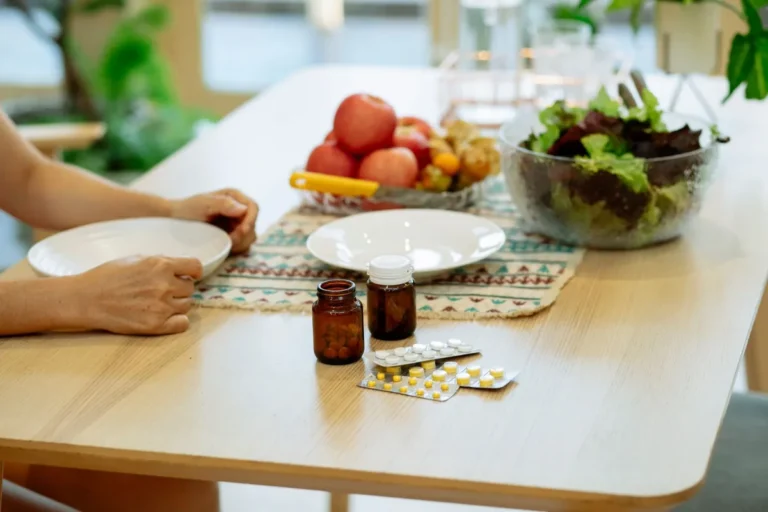
Many of our patients have suffered significant trauma, either mental or physical. It keeps their anxiety high all the time, and..
Diabetic Peripheral Neuropathy (DPN) is the most common complication of diabetes, and often presents as a distal, symmetric..
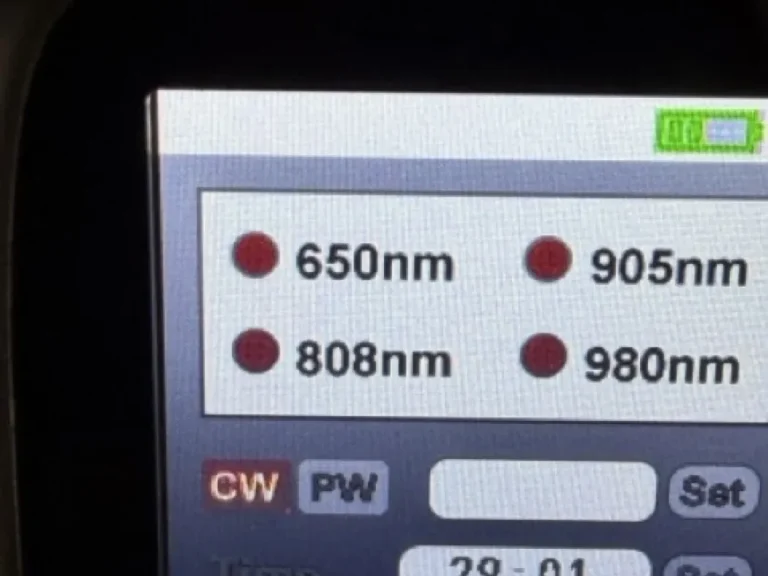
Cluster Headache is a very severe primary headache disorder. In any one year, about 0.1% of people have it.
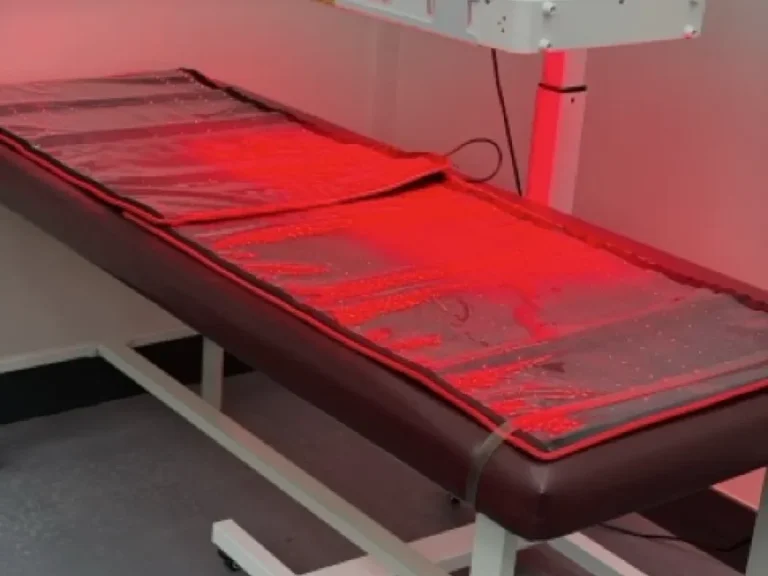
Complex regional pain syndrome (CRPS), once called reflex sympathetic dystrophy, is lasting burning pain in an arm or leg after an injury or nerve damage. “Of all the chronic neuropathic pain syndromes, none has perplexed patient, clinician, and scientist more than the complex regional pain..
The disks are soft, cushion-like pads that separate the hard bones of your spine. A disk may be painful when it bulges, herniates..
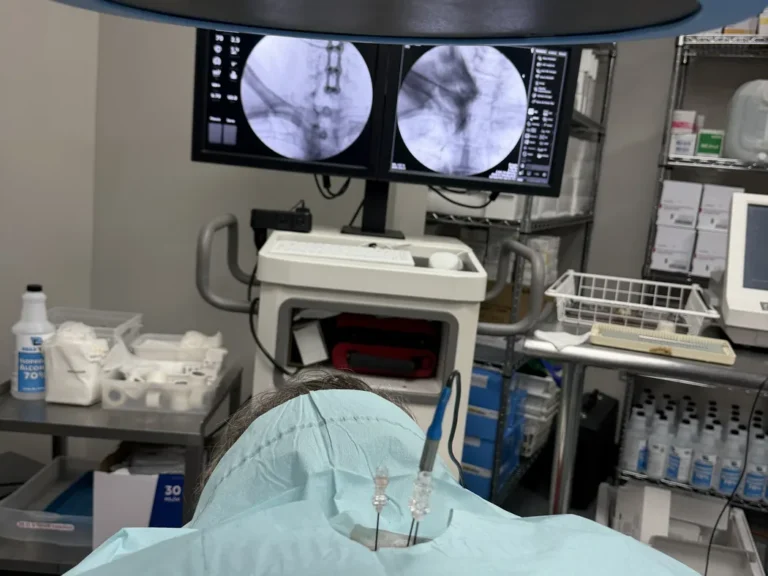
A patient with primary facet pain, proven with either one or more blocks, may be a candidate for a facet rhizotomy using radiofrequency (RF)..
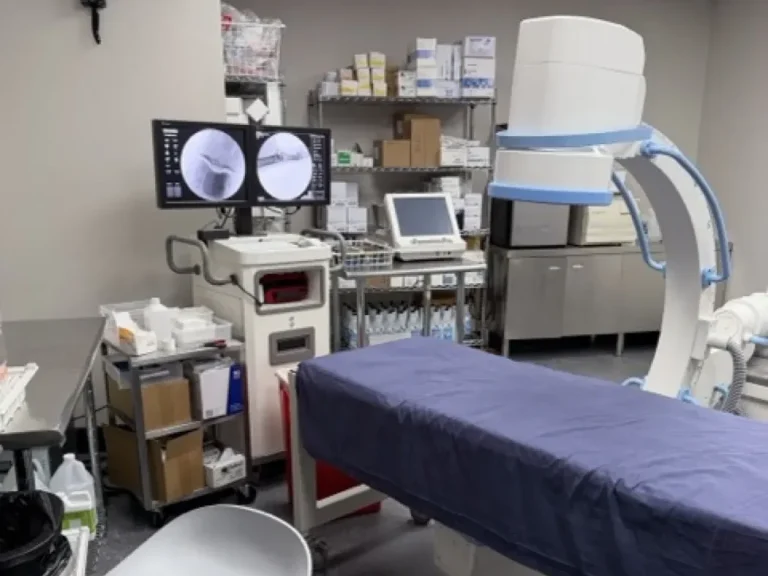
The spine is designed to bend and turn. Along with the intervertebral discs, facet joints (also referred to as Z joints or zygapophyseal joints)..
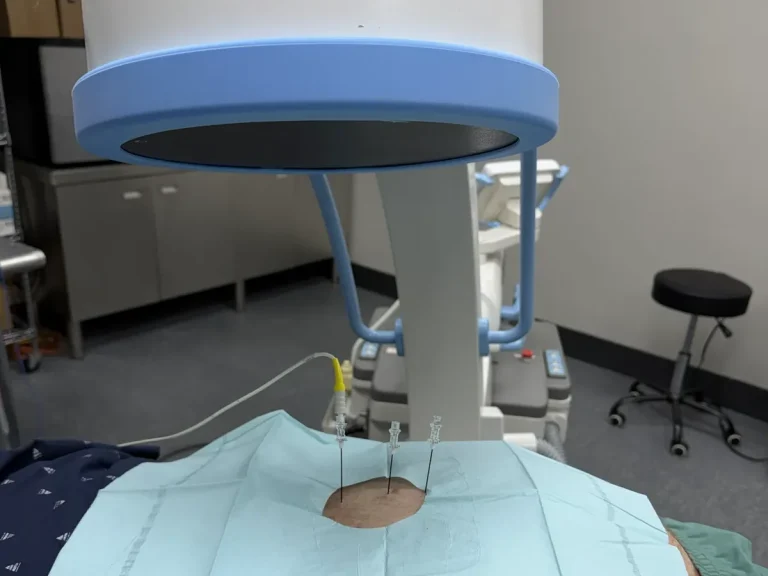
Cluneal neuropathy is a pinched superior or middle cluneal nerve where it crosses the iliac crest or sacrum. It causes low back and buttock pain that is often mistaken for SI joint (sacroiliac) or lumbar disc pain. We diagnose and treat it at Padda Institute in St. Louis.
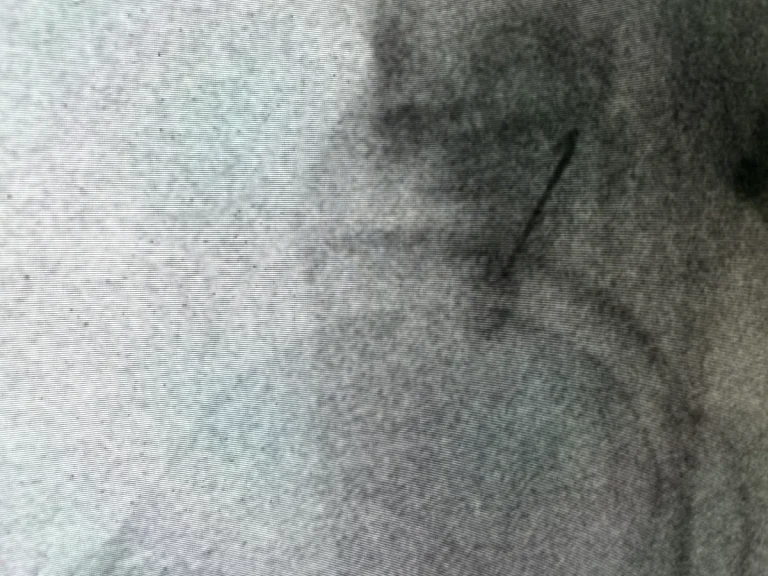
Piriformis syndrome is pressure on the sciatic nerve from the piriformis muscle in the buttock. The pain mimics lumbar radiculopathy, a pinched nerve in the low back. We diagnose it by exam and image-guided injection at Padda Institute in St. Louis.
Padda Institute is a physician-owned interventional pain practice on Woodson in St. Louis, with a second office on Natural Bridge Road. Care is led by Dr. Gurpreet Singh Padda, MD, MBA, MHP, a diplomate of the American Board of Anesthesiology and the American Board of Interventional Pain Physicians. If you are weighing your options, read how to choose between pain management doctors in St. Louis. We do the procedures below on site, as outpatient visits, with image guidance where the method needs it.
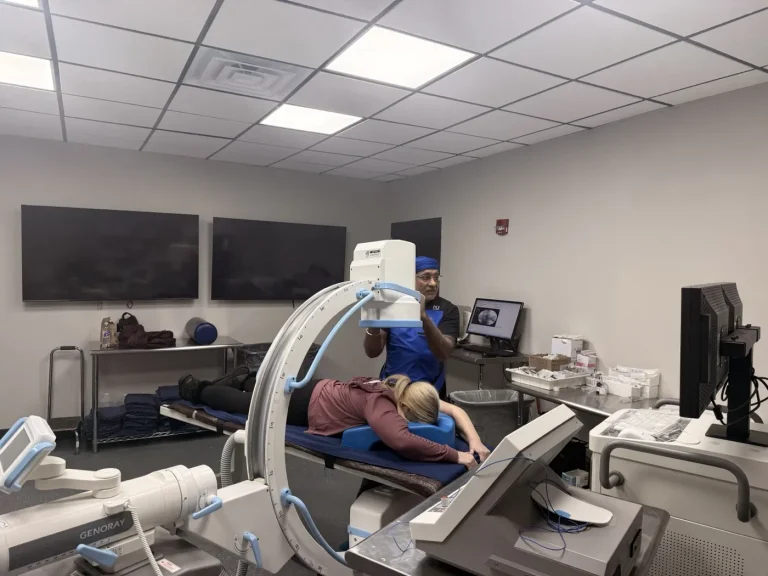
Padda Institute does procedures under both ultrasound and live X-ray (fluoroscopy) guidance. Ultrasound lets us check a joint, muscle, ligament or tendon while it moves. That gives an answer right there in the room. Fluoroscopy confirms where the needle is with live X-ray for spine work. We pick the imaging to match the target.
An epidural steroid injection places anti-inflammatory medicine into the space around an irritated spinal nerve root (the epidural space). At Padda Institute, we do the injection under live X-ray (fluoroscopic) guidance. So we confirm where the needle is before any medicine goes in. It is most often used for lower back and leg pain that radiates from the spine.
The facet joints are small paired joints running down the back of the spine. When arthritis or inflammation hits them, they can send pain into the neck, mid-back or lower back. The injection puts medicine into the joint under image guidance. It also shows whether that joint is the true source of the pain.
The sacroiliac (SI) joints connect the base of the spine to the pelvis. They are an often-missed source of lower back and buttock pain. An SI joint injection puts anti-inflammatory medicine into the joint under live X-ray (fluoroscopic) guidance. It eases pain and confirms the joint is the source before we plan more treatment.
Several small genicular nerves serve the knee. They run along the bone at the edges of the joint. A genicular block places numbing medicine at those nerves under image guidance. It confirms the knee joint is truly the pain source. A clear response is what qualifies a patient for radiofrequency ablation.
Controlled heat cuts off the genicular nerves that carry pain from an arthritic knee, without touching the joint itself. We do it only after a positive diagnostic block. Relief lasts months, not weeks. The nerves grow back over time, and it does not rule out a knee replacement later.
Osteoarthritis thins the hyaluronic acid that keeps the knee slick. Viscosupplementation injects hyaluronic acid back into the joint space. We place it under ultrasound guidance so it reaches the joint, not the tissue around it. It is given as one injection or a short weekly series.
A treatment to prevent headaches, not to rescue you from one. Thirty-one small injections follow the PREEMPT pattern across the head, neck and shoulders every twelve weeks to cut the number of headache days each month. It is FDA-approved for chronic migraine only, meaning 15 or more headache days a month. We say so plainly when a patient does not meet that bar. Related: migraine.
A trigger point is a tight, touchy band in a muscle. It causes pain on the spot and often sends pain elsewhere. A trigger point injection places numbing medicine right into that band to break the cycle of spasm and pain. It is often used in the neck and shoulders and in the lower back.
The celiac plexus is a bundle of nerves in the upper belly. It carries pain signals from the pancreas, liver and intestines. A celiac plexus block places numbing medicine around those nerves under image guidance, sometimes with a nerve-destroying agent (neurolytic). It is most often used for pain related to chronic pancreatitis or cancer in the belly.
The sphenopalatine ganglion (SPG) is a small cluster of nerve cells behind the nose. It carries feeling from the face, sinuses and parts of the head. An SPG block delivers numbing medicine to that cluster to stop those signals. It is used for cluster headache, migraine and face pain.
A nerve block stops pain signals along a specific nerve or group of nerves. It places numbing medicine, sometimes with a steroid, right around the nerve. Blocks both find the pain source and treat it. Padda Institute performs selective nerve root blocks, stellate ganglion blocks and lumbar sympathetic blocks.
Radiofrequency ablation uses controlled heat on the medial branch nerves that carry pain from an arthritic facet joint. It is usually offered after diagnostic facet injections have found the level causing the pain. Because it targets the nerve, not the joint, it is meant to give longer relief than an injection alone.
Spinal cord stimulation treats chronic nerve pain in the back, arms or legs. A small implanted device sends mild electrical pulses to the spinal cord. That stops pain signals before they reach the brain. Patients do a short trial first. It is one option for complex regional pain syndrome.
Peripheral nerve stimulation targets one damaged or irritated nerve outside the spinal cord. A fine wire (lead) is placed near the nerve. It sends electrical pulses that tune down the pain signal the nerve carries. We usually find the nerve at fault first with electrodiagnostic testing.
Hydrodissection uses a fluid injection, guided by ultrasound, to free a squeezed nerve from the scar tissue or fascia trapping it. Freeing the nerve takes off the pressure without open surgery. It is used for a trapped nerve once electrodiagnostic testing or an exam has found where it is trapped.
After spine surgery, scar tissue can form in the epidural space and tie down nerve roots. This is called peridural fibrosis. Epiduroplasty uses a thin tube (catheter) placed under live X-ray (fluoroscopic) guidance to break up that scar tissue and deliver medicine right to the nerve. It is most often used in failed back surgery syndrome, when standard epidural injections have stopped working.
Kyphoplasty treats painful compression fractures of the spine bones, most often caused by osteoporosis. A balloon restores height inside the collapsed spine bone. Then bone cement goes in to hold it steady. It is a minimally invasive procedure instead of open surgery, and it is closely related to vertebroplasty.
A discogram is a test, not a treatment. Dye is put into one or more spinal discs under live X-ray (fluoroscopy). It shows which disc, if any, brings on a patient's usual pain. It is used when MRI and other imaging have not found a clear source of back pain.
Sudden pain does not wait for the next open slot. Padda Institute holds same-day appointments for urgent pain problems, and our team will see you as soon as we can. Call or text, and we will find you a slot today.
Padda Institute is a nationally known center of excellence for treating and managing complex chronic pain. The Center offers full inpatient & outpatient care from a team of experts, built around each patient's needs. We believe the whole person must be treated, not just the pain. We work as a team to help you reduce or end your pain.


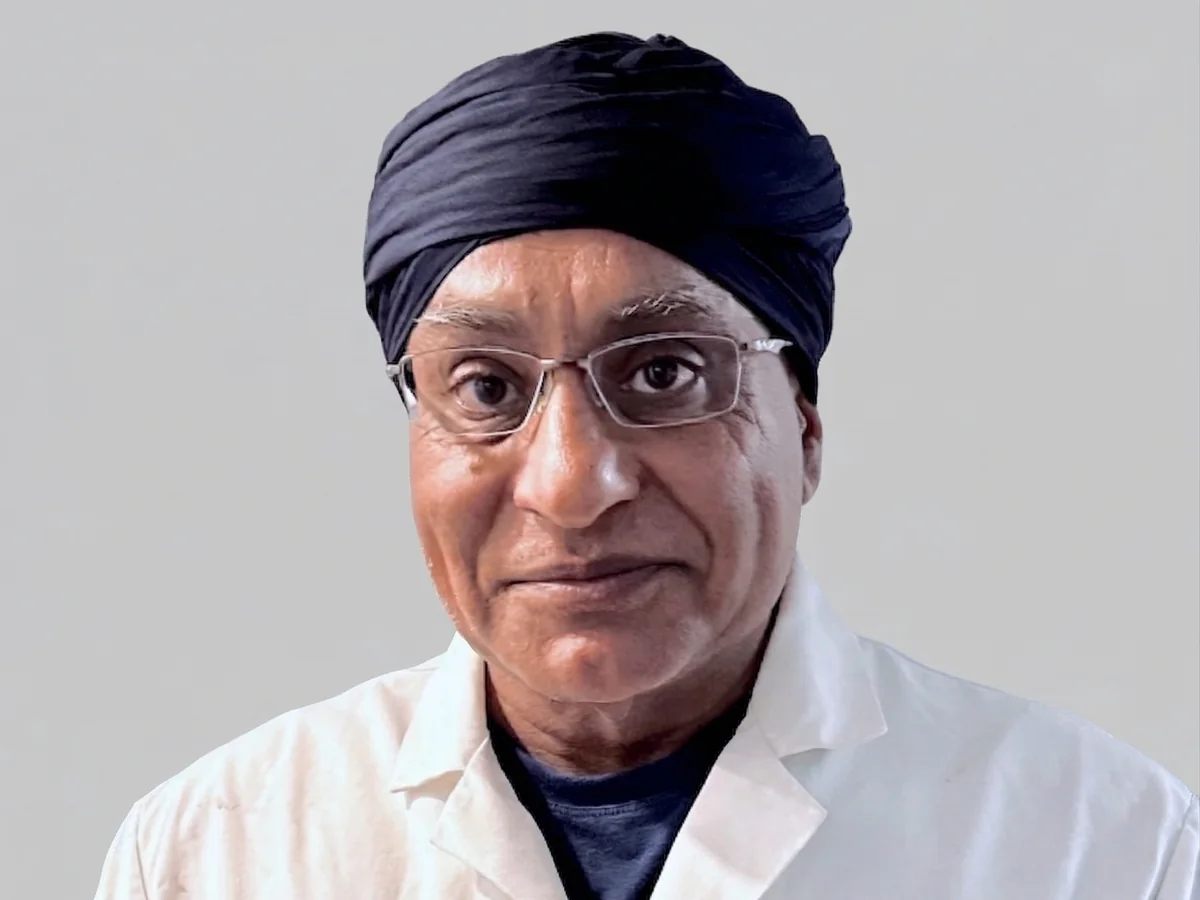
Dr. Gurpreet Singh Padda, MD, MBA, MHP, is a highly respected medical specialist with deep skill in many fields. His specialties include Pain Medicine, Interventional Pain Medicine, Anesthesiology, Addiction Medicine, Legal Medicine, and Nutrition Counseling. Dr. Padda knows how to diagnose and treat pain conditions. He is board-certified in pain medicine, anesthesiology, and age management, which shows his commitment to excellent patient care.







Possibly not. People who have lived with chronic pain can live normal lives with the right care. Our treatment blends standard medical care with other kinds of care. We believe care built around each patient works best.
This happens when you build up a drug tolerance. Your body slowly gets used to the drug, so the first dose works less and less. It is usually fixed by changing the dose or the drug, or by treating the sources of the pain. Building a tolerance to a drug does not mean you are addicted to it. Our whole program is built to lower the metabolic inflammation that causes the pain itself. That lowers the need for pain drugs. Most of our patients are able to cut back their drugs and actually have less pain overall and work better.
Do not wait to take pain medicine until the pain gets severe. Moderate pain is easier to manage than severe pain. But if you take pain medicine when you have mild or no symptoms, your body will build up a significantly higher tolerance to it. You will retrain your nerves to depend more on the prescribed drugs than on the endorphins, the natural painkillers, your own body makes.
Pain that lasts more than 3 months is called chronic pain. Managing and treating chronic pain is a steady process. It often takes changes in lifestyle and behavior, plus coaching, medications and procedures. There is no promise that every symptom will go away. But you can make some lifestyle changes to lessen it.
The first step to reducing or ending pain is to find a pain management doctor who understands your pain. As you do your research, keep an open mind about what pain treatments can really do. Your pain management doctor's skill will help map out a course of treatment. One key thing to look for in a pain management doctor is attention to everything that may be affecting your health. That includes the things that cause metabolic inflammation, such as diet, activity, sleep, work, rest, things you are exposed to around you, and your family history, to name just a few. The intake history should be thorough, because no two patients are the same. So no two patients will get the exact same treatment. Keep in mind that at least 40-50% of treating pain is coaching patients on how they live. It's not just about taking a pill or getting a shot.
Opioids and other painkillers have been shown to cause harmful side effects. These side effects can be severe. Even the side effects of drugs you buy without a prescription can be life threatening. An honest talk with your care team is a must.
Pain treatment should be built around each patient. It may include medications, procedures, therapy, lifestyle changes and coaching. Our philosophy is to help the patient make changes across their whole life to boost the odds of success. We do not believe opioid pain medicine alone does much good over the long term, because the body builds tolerance to it so fast.
Do not wait it out. Padda Institute holds same-day appointments for urgent pain problems, and the team will see you as soon as we can. Call (314) 481-5000 or text (314) 886-5902, and we will find you a slot. And don't put off treatment until the pain is severe. Moderate pain is easier to manage than severe pain.
Start with training. At Padda Institute, care is led by Dr. Gurpreet Singh Padda, MD, MBA, MHP, a diplomate of the American Board of Anesthesiology and the American Board of Interventional Pain Physicians. Ask whether procedures use ultrasound or live X-ray guidance where the method needs it. And choose a doctor who asks about your diet, sleep, activity and work, not only where it hurts.
Do not shade the history. Leaving out a medication, a second prescriber or an old drug screen is what reliably stalls a first visit, because prescription-monitoring data shows it anyway and the plan ends up built on the wrong facts. Do not open by naming the one drug that works; it reads as a request, not a history. And do not grade everything a 10. What you could do a year ago that you cannot do now, what makes the pain worse, and how long each past injection helped tell us far more about where the pain is coming from. Why a pain score on its own misleads.
Pain management is the whole field: medication, physical therapy, counseling and procedures. Interventional pain management is the branch that uses image-guided procedures, such as diagnostic nerve blocks, epidural injections, radiofrequency ablation and stimulators, to find the structure generating the pain and treat it directly. The difference is proof. A diagnostic block that takes the pain away tells us which nerve or joint is responsible before anything longer-lasting is done to it. We use those procedures as the bridge: they bring the pain down now so rehab, sleep and metabolic repair can do the long-term work. A medial branch block is the clearest example of that proof step.